
Background
DERucci, a prominent China-based mattress and bedding manufacturer, is at the forefront of sustainable and smart manufacturing. The company serves as a model for how digital and eco-conscious solutions can be integrated into design, production and supply chain management. The company has adopted smart manufacturing technologies, including 3D design tools, AI-driven production planning, and automated quality control systems, to enhance resource efficiency and reduce environmental impact. The case study highlights how technology can be leveraged to achieve both commercial viability and environmental responsibility in fashion manufacturing.

2004

Mattress and bedding Manufacturing

Large
Technology / Solution Overview
 Scope of improvement
 Handling Surplus Products
 Implementation date
 2004 to Present
Description
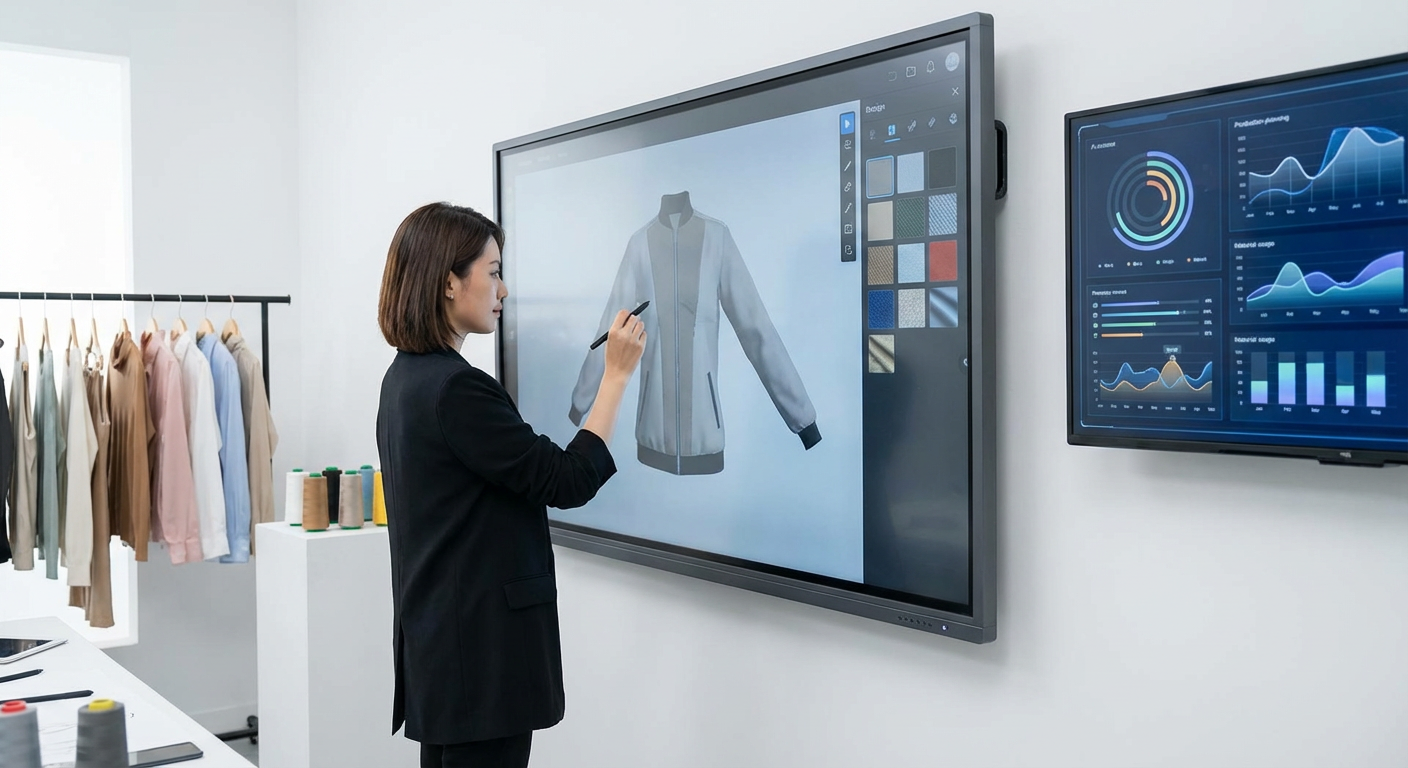
DERucci’s smart and sustainable manufacturing integrates digital design tools, AI, and automation to streamline production processes and reduce waste. One key solution is the use of 3D design software, which allows for virtual prototyping, eliminating the need for multiple physical samples. This significantly reduces fabric waste and material costs. Additionally, DERucci utilises AI-based production planning systems that optimise cutting patterns and resource allocation, minimising overproduction and surplus stock. The company also employs smart inventory and logistics management to ensure just-in-time production, reducing storage needs and carbon footprints. By combining data analytics and automation, DERucci enhances energy efficiency, reduces water and chemical use, and improves overall production transparency. The integration of smart manufacturing supports a circular and low-impact production model, making it a scalable solution for fashion SMEs.
Special Technical Assessment
Operation and Application Requirements
To implement smart and sustainable manufacturing, DERucci requires digital infrastructure, including 3D design software, AI-driven production planning tools, and automated cutting and sewing machines. The system also relies on real-time data collection, cloud-based platforms, and integrated supply chain software for inventory and logistics optimisation. Staff must be trained in digital design workflows, data interpretation, and smart manufacturing practices to ensure smooth adoption. Collaboration between design, production, and logistics teams is essential to synchronise virtual and physical processes. The use of AI and automation also demands ongoing software updates and technical support. Furthermore, partnerships with technology providers and eco-material suppliers are necessary to maintain quality and sustainability standards. While the initial setup involves capital investment, the long-term efficiency gains and waste reduction make it a viable solution for fashion SMEs aiming to minimise environmental impact and improve productivity.Practical Applications and Case Sharing
DERucci has successfully applied smart and sustainable technologies in its on-demand production system, which reduces overproduction and fabric waste by manufacturing garments only after customer orders are placed. In one case, the company used 3D design tools to create a limited-edition collection, allowing for multiple design iterations without physical samples, saving both time and resources. The AI-driven production planning system helped optimise cutting patterns and fabric use, resulting in a 20% reduction in material waste. DERucci also demonstrates how virtual sampling and real-time design feedback improve cross-border collaboration with its factory in Dongguan, China. The brand also shared how smart inventory systems helped them respond quickly to changing trends, reducing excess stock and storage costs. These real-world applications show how technology can support sustainable practices while maintaining design quality and market responsiveness.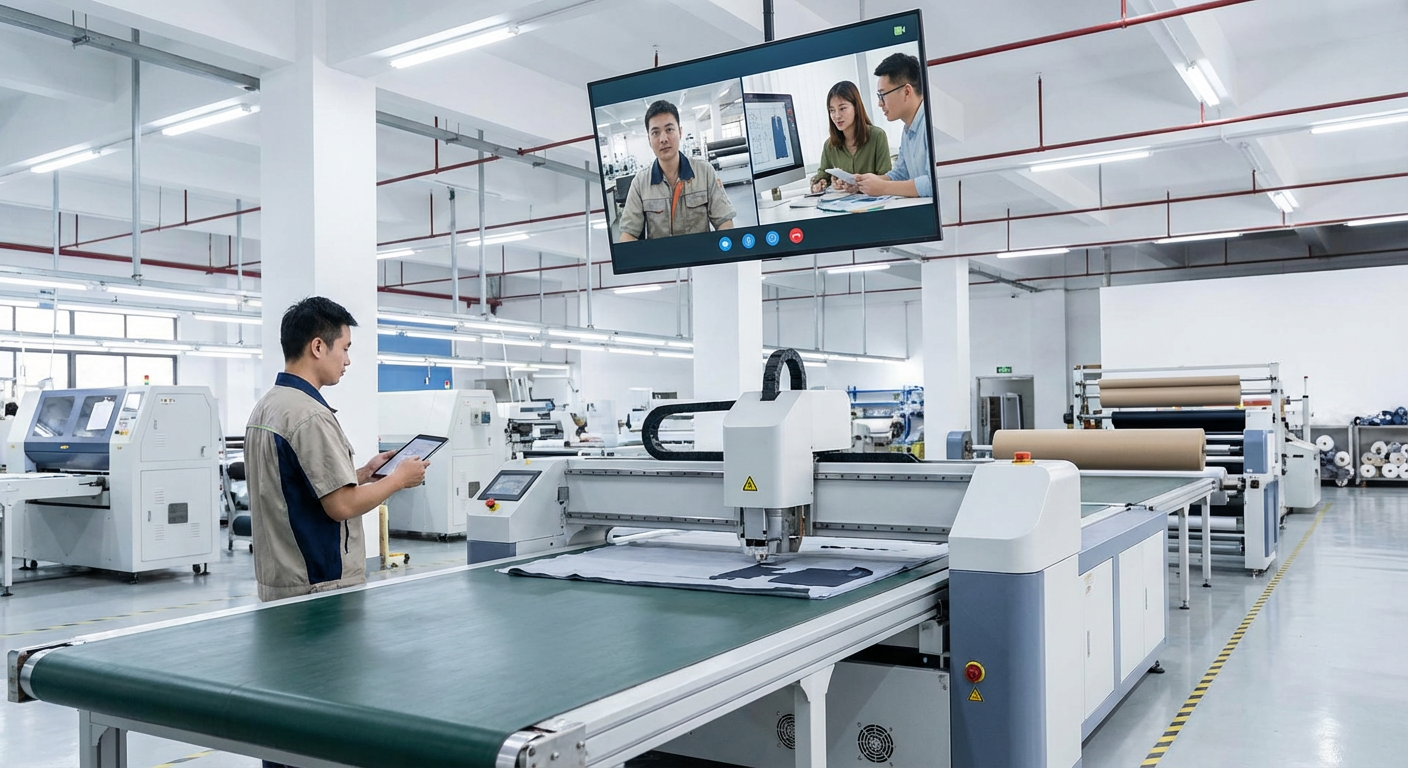
Key Performance Indicators
Environmental Benefits
Reduces material waste, energy use, and carbon emissions from physical sampling and excess inventory, promoting a circular and low-impact production model.
Economic Benefits
Lower material and production costs, improve inventory accuracy, and enhance time-to-market, increasing profitability and operational efficiency.
Social Benefits
Support remote collaboration and innovation, improve transparency in the supply chain, and encourage industry-wide adoption of sustainable practices.
 Back to Case Study List
  Download Case Study