Background
EzyGreenPak is a Hong Kong-based company specialising in sustainable packaging and textile solutions, with a focus on biodegradable and water-soluble non-woven fabrics. The technology addresses the growing issue of single-use plastic waste by offering a fully dissolvable alternative that can be used in a range of applications, from garment packaging to protective coverings.

2026

Raw Material Manufacturing

Small
Technology / Solution Overview
 Scope of improvement
 Selection of Raw Materials
 Implementation date
 2023 to Present
Description
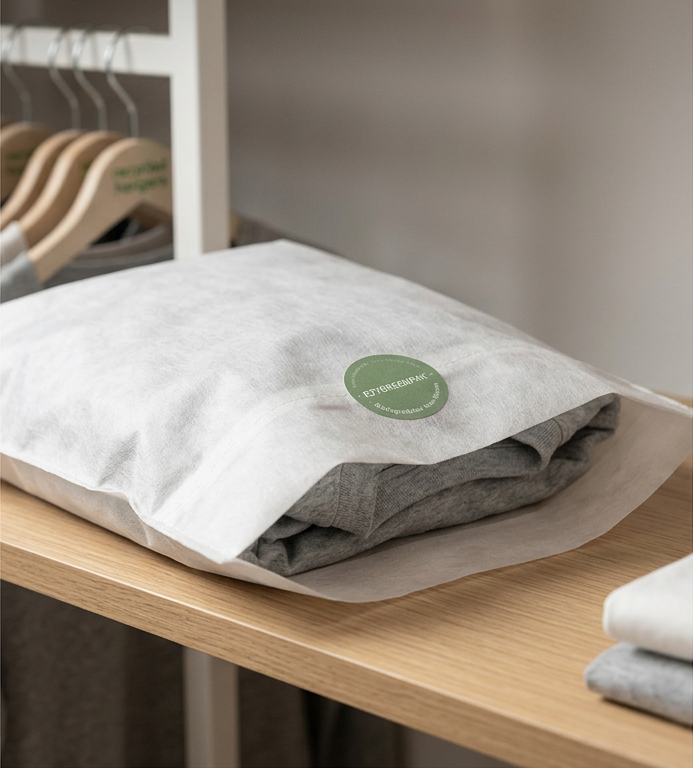
EzyGreenPak’s water-soluble non-woven fabric is made from polyvinyl alcohol (PVA), a biodegradable and environmentally friendly polymer. This fabric dissolves completely in water, eliminating the need for traditional plastic packaging materials and reducing post-consumer waste. It is designed for single-use applications in the textile and fashion sectors, such as garment covers, hygiene products, and protective packaging for delicate items. The technology supports a circular economy by reducing landfill waste and plastic pollution. As a non-woven fabric, it requires less energy and fewer chemicals during production compared to conventional textiles. EzyGreenPak’s solution is particularly relevant to SMEs seeking to replace plastic-based materials with sustainable, functional alternatives that align with global environmental regulations and consumer demand for eco-friendly products.
Special Technical Assessment
Operation and Application Requirements
To implement EzyGreenPak’s water-soluble non-woven fabric, manufacturers must have access to non-woven production lines that can process PVA-based materials. The fabric is produced through a spunbond method, which requires specific equipment to handle the solubility and structural integrity of the material. Operators need training to manage the unique properties of PVA, including its sensitivity to moisture and temperature during production and storage. The fabric is best suited for controlled environments where water solubility is an asset, such as in industrial or consumer-use packaging. SMEs must also consider the supply chain for PVA raw materials, which can be sourced from eco-conscious suppliers. Integration into existing production systems may require minor adjustments to ensure compatibility and maintain quality standards.Practical Applications and Case Sharing
EzyGreenPak has successfully applied its water-soluble non-woven fabric in the fashion industry as a sustainable alternative to plastic garment covers. In one case, a Hong Kong-based apparel brand used EzyGreenPak’s fabric for packaging its on-demand knitted sweaters, which are produced in Dongguan. The fabric dissolves in water, allowing customers to reuse the packaging or safely dispose of it without contributing to plastic waste. The solution was also used in a trial for protective coverings in textile printing, where it dissolved after use, eliminating post-processing waste. This case demonstrates how SMEs can adopt water-soluble non-woven fabric to replace conventional plastics in multiple stages of the textile value chain.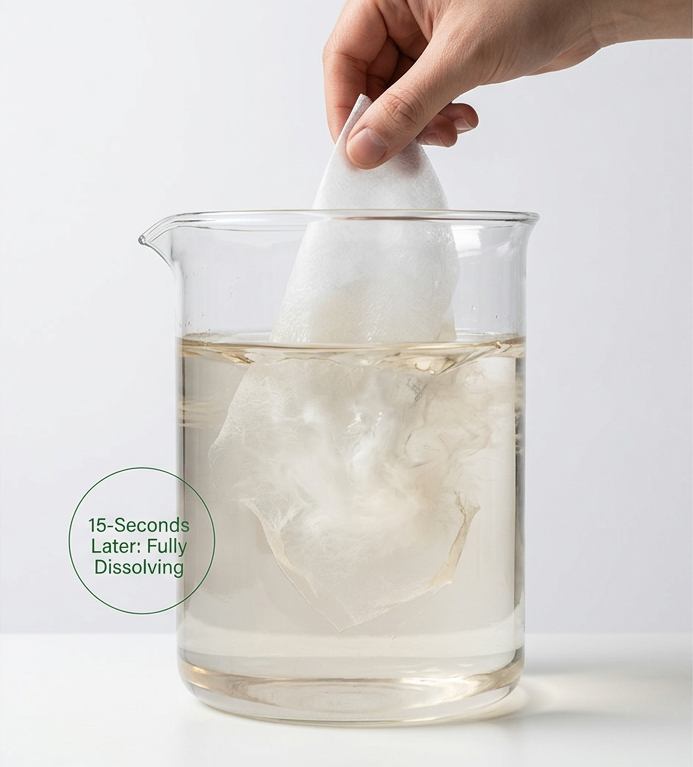
Key Performance Indicators
Environmental Benefits
The fabric eliminates plastic waste by dissolving in water, reducing landfill and ocean pollution while supporting the circular economy in textile production.
Economic Benefits
While initial costs are higher, the fabric can reduce waste management expenses and align with eco-label certifications, which may enhance market competitiveness and brand value.
Social Benefits
EzyGreenPak’s solution raises awareness of biodegradable and water-soluble materials, encouraging consumers and businesses to adopt more sustainable packaging and textile practices.
 Back to Case Study List
  Download Case Study