Background
KnitWarm is a Hong Kong-based sustainable fashion brand that has gained recognition for its innovative use of smart and eco-friendly textiles. The company’s heat-conductive textile technology is a prime example of how sustainability can be integrated into both function and fashion.

2017

Raw Material & Wearable Technology

Small
Technology / Solution Overview
 Scope of improvement
 Selection of Raw Materials
 Implementation date
 2017 to Present
Description
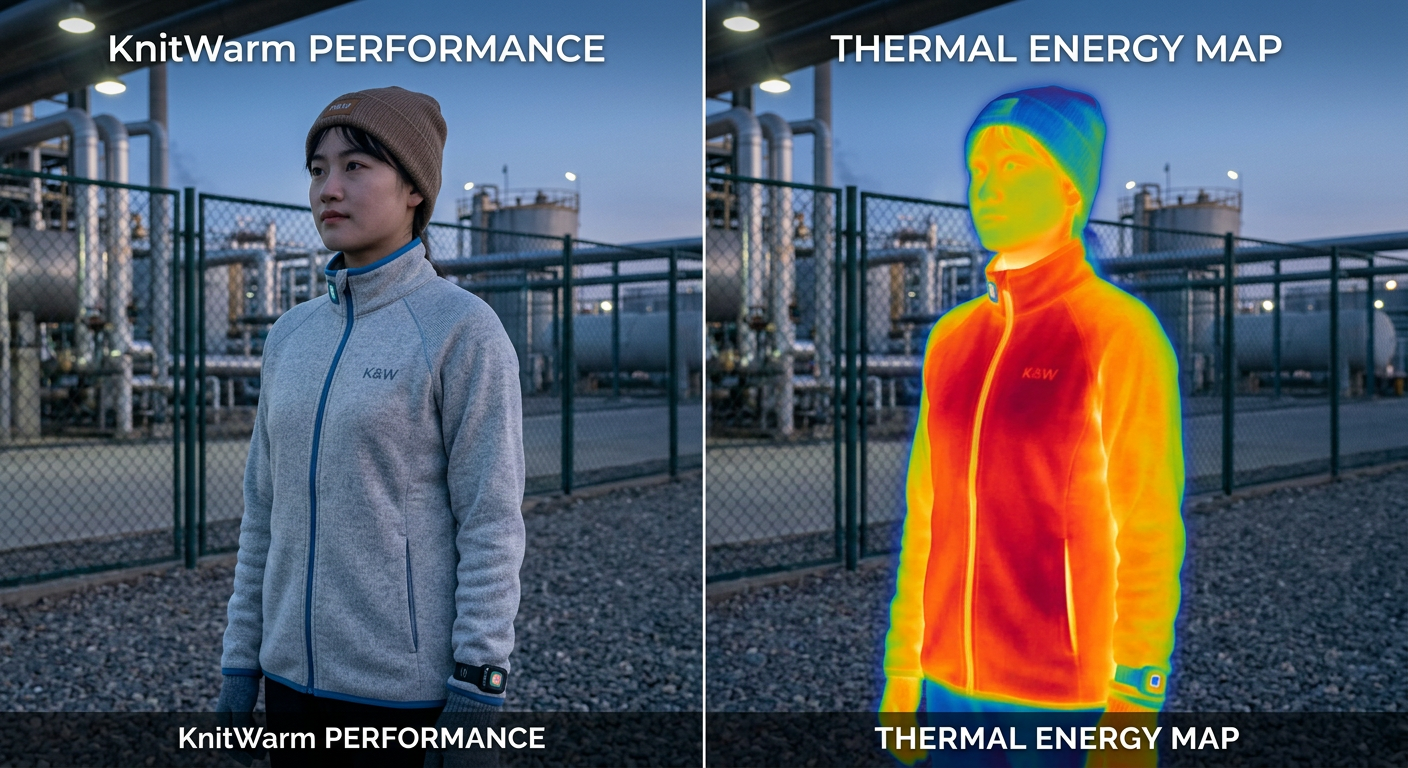
KniwWarm’s heat-conductive textile is engineered to regulate body temperature efficiently, reducing the need for excessive heating or cooling in cold environments. The technology uses a unique knitting method that integrates conductive fibres into the fabric structure without the need for additional synthetic layers or energy-intensive post-processing. This innovation aligns with sustainability principles by optimising material use and reducing energy dependency in daily life. The fabric is designed for on-demand production, ensuring minimal overstock and waste. Additionally, it is made using high-quality, thermally responsive yarns that are compatible with recycling systems, supporting a circular approach to textile lifecycle management.
Special Technical Assessment
Operation and Application Requirements
Implementing KnitWarm’s heat-conductive textile requires advanced knitting machinery capable of integrating conductive fibres seamlessly into the fabric. The technology demands precision in yarn selection and fabric structure to maintain thermal performance and comfort. Manufacturers must also ensure that the production process aligns with energy-efficient practices, particularly in dyeing and finishing stages. Quality control is essential to guarantee consistent thermal conductivity and durability. SMEs adopting this solution should assess their current knitting capabilities and invest in staff training to handle the technical nuances of smart fabric production. A robust supply chain for conductive and recyclable yarns is also necessary to sustain long-term operations.Practical Applications and Case Sharing
KnitWarm has successfully applied its heat-conductive textile in a range of cold-weather apparel, including sweaters and base layers. The technology allows for precise, on-demand knitting tailored to customer specifications, significantly reducing fabric waste and excess inventory. For example, in one of its pilot projects, KnitWarm produced a limited batch of thermal sweaters using locally sourced, recycled yarns and customised designs based on real-time data from customer feedback and trend analysis. The result was a highly efficient production cycle with near-zero waste and a product that met both functional and aesthetic consumer needs. This approach has been showcased in on-site visits to KnitWarm’s partner factories in Mainland China, providing valuable insights into scalable sustainable production.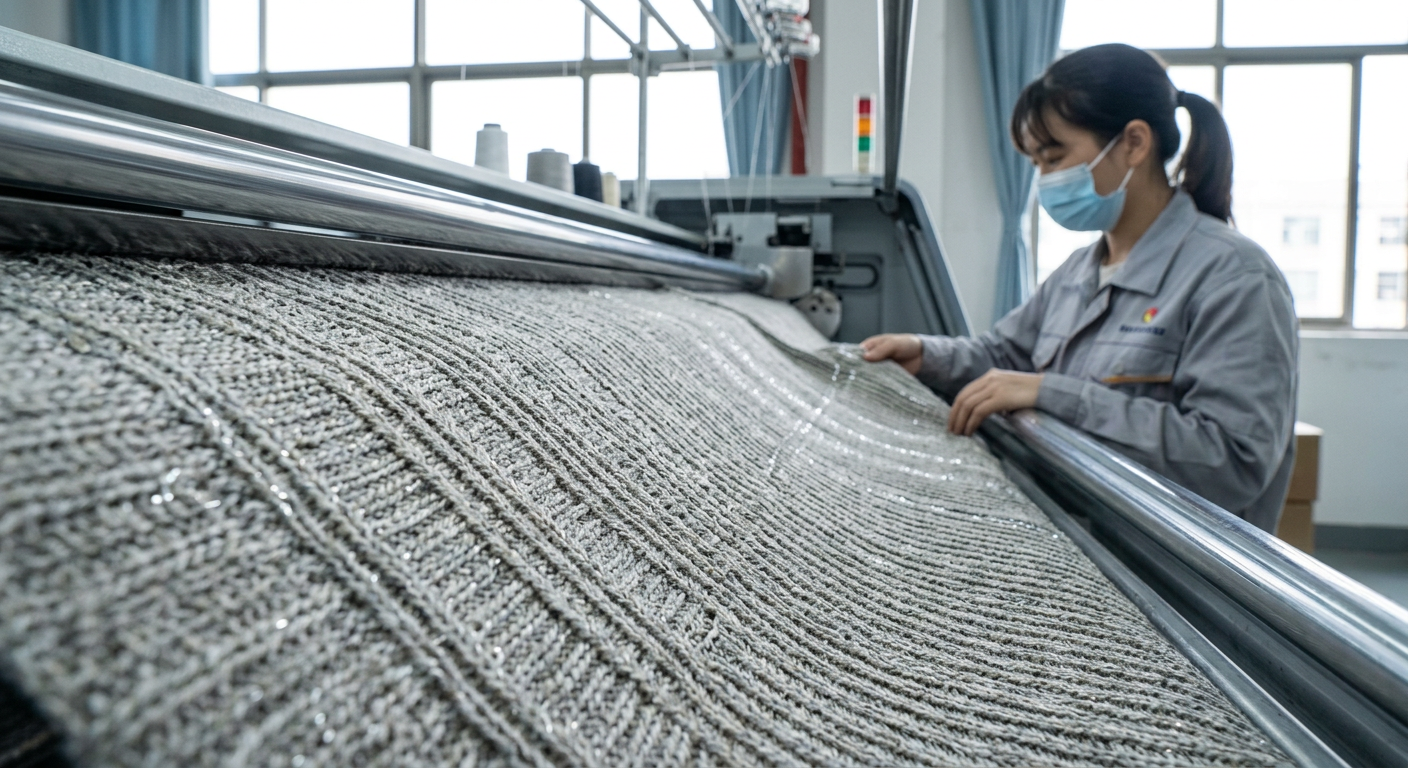
Key Performance Indicators
Environmental Benefits
The heat-conductive textile reduces energy use for heating and minimises fabric waste through on-demand manufacturing, supporting a circular and low-impact production model.
Economic Benefits
The technology lowers long-term production costs by reducing overstock and waste, while offering premium pricing for its innovative and sustainable features.
Social Benefits
KnitWarm’s solution raises consumer awareness of sustainable and functional fashion, encouraging more environmentally conscious purchasing behaviours.
 Back to Case Study List
  Download Case Study