Overview
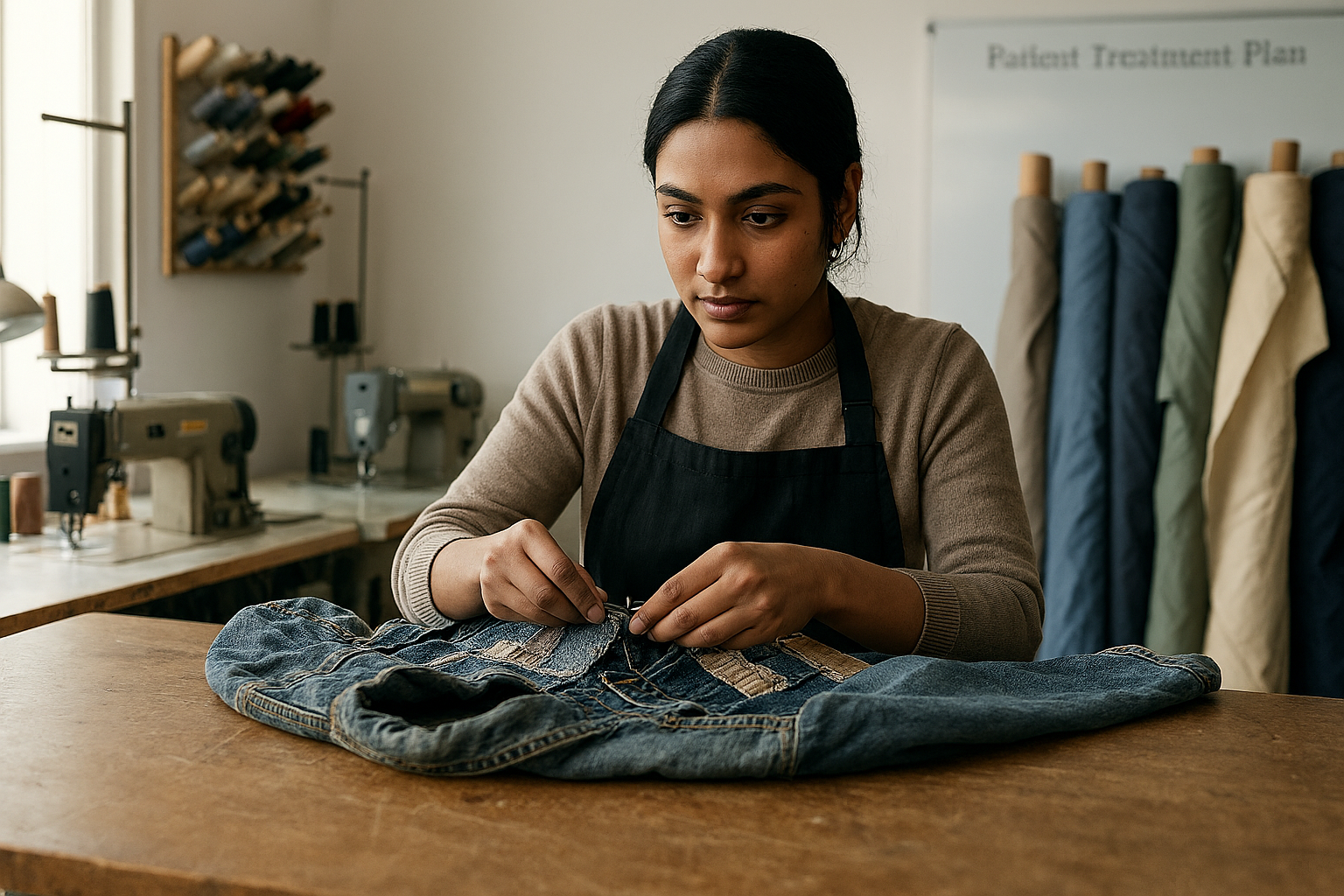
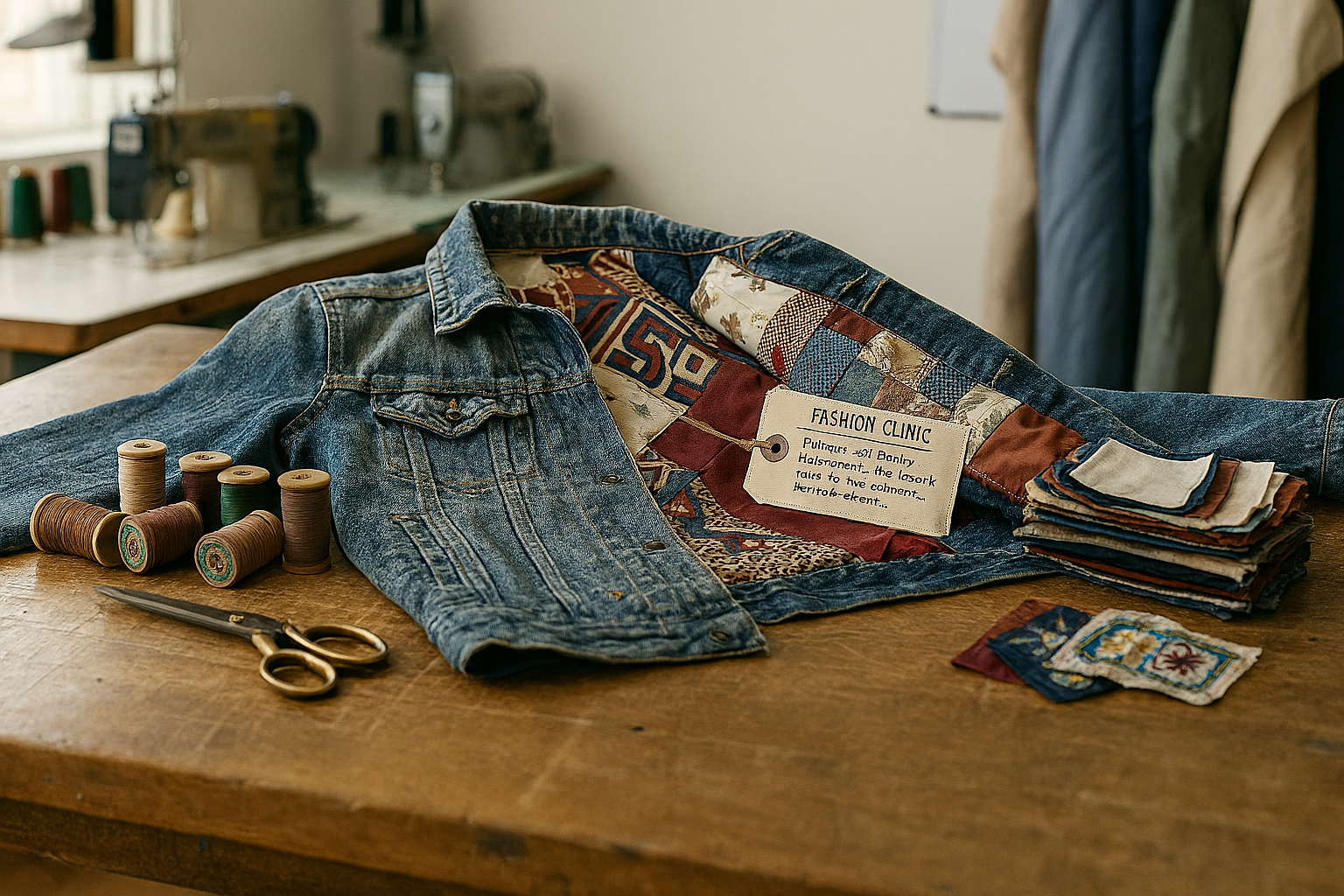
Fashion Clinic provides a Circular Design and Upcycling Solution focused on textile waste remediation. Unlike traditional manufacturing, it treats existing garments as "patients," using redesign, reshaping, and repair techniques to transform pre-consumer deadstock and post-consumer waste into high-value, contemporary fashion, effectively closing the loop in the textile lifecycle.

This solution significantly reduces textile waste sent to landfills and minimizes the carbon footprint by eliminating the need for virgin raw materials. It enhances brand ESG profiles through transparent, story-driven sustainability and creates unique, non-replicable products that command a premium in the "slow fashion" market.

Primary limitation is scalability. Because each surplus item or garment is unique in size, material, and condition, the redesign process is labour-intensive and difficult to automate. This makes it more suitable for limited editions or capsule collections rather than mass-market volume production.

High labour costs associated with skilled manual work and the unpredictability of feedstock. Ensuring consistent quality across diverse waste streams requires rigorous sorting and creative problem-solving, which can complicate standardized pricing and production timelines in a commercial supply chain.
Technology / Solution Details
 Scope of improvement
Handling Surplus Products
Operation and Application Requirement
The process operates via a three-step “clinical” model: Consultation (material assessment), Diagnosis (design strategy), and Treatment (technical execution). It requires designers skilled in deconstruction and artisanal craftsmanship. It is applicable to brands seeking to liquidate unsold inventory or enterprises aiming to repurpose corporate uniforms into sustainable gifts.
Handling Surplus and Waste Products
Fashion Clinic prevents waste by transforming “deadstock” and “pre-consumer surplus” into marketable assets before they exit the value chain. By redesigning unsold inventory into new capsule collections, they eliminate the need for clearance-driven disposal, ensuring that existing textile resources remain in use at their highest value.
Practical Applications and Case Sharing
A notable application involved collaborating with City’super to upcycle retired staff uniforms into lifestyle accessories. They also partner with malls like Nan Fung Place to host “Clinic” pop-ups, providing on-site repair and redesign services that directly engage consumers in the circular economy through high-end, bespoke transformations.
Application Tips
Upcycling is a commercially viable method for surplus product handling. Success depends on shifting the perception of “waste” to “resource.” When design-led creativity is applied to existing materials, it creates a powerful alternative to traditional recycling by preserving the embedded energy of garments.
 Back to Case Study List
  Download Case Study