Overview
HKRITA (Hong Kong Research Institute of Textiles and Apparel) has developed a biological method for textile waste recycling, which uses bio-based enzymes and microorganisms to break down cellulosic and synthetic textile waste into reusable raw materials. This method is part of a broader initiative to close the loop in the textile supply chain, particularly for post-consumer and post-industrial waste that is difficult to recycle using traditional methods. The technology is designed to reduce reliance on virgin fibres and support the transition to circular and biodegradable fashion systems.
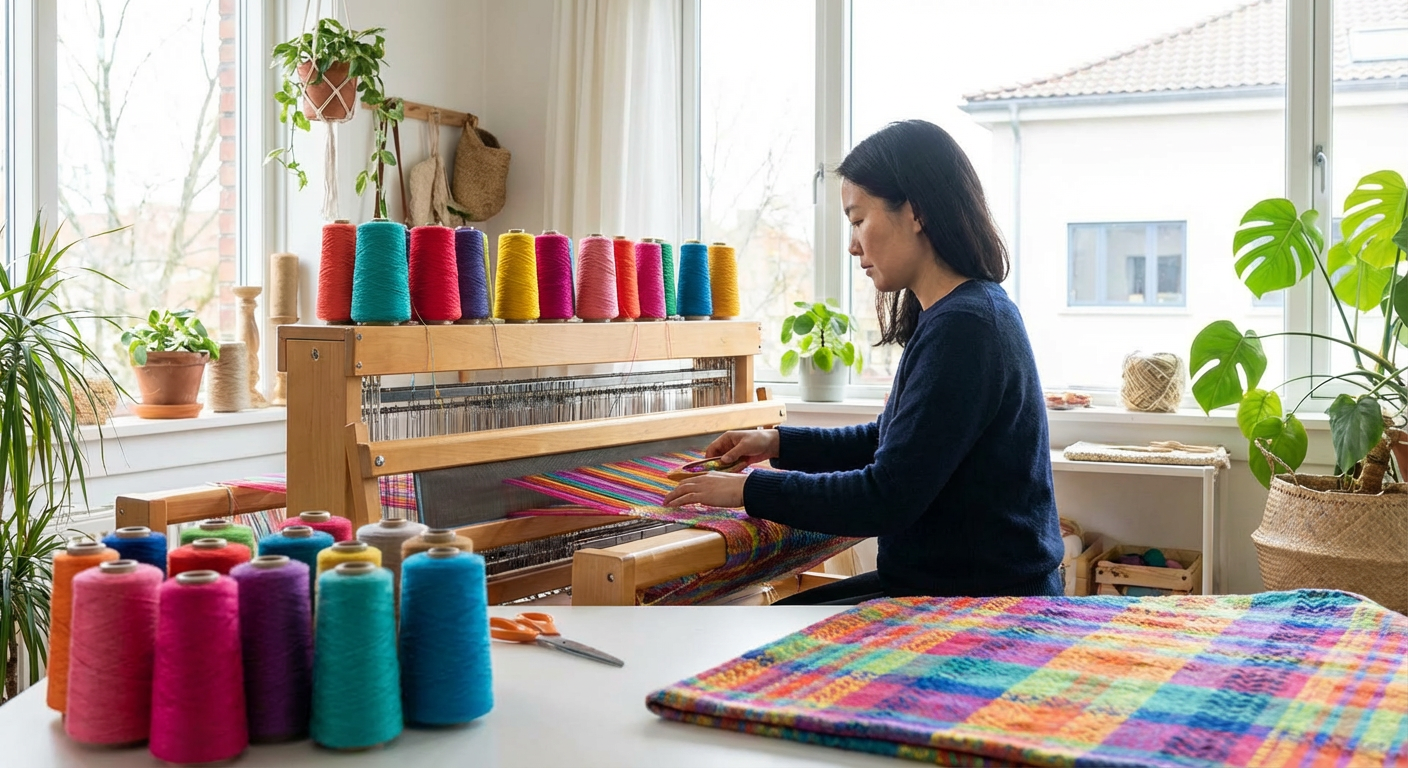

Environmentally friendly and chemical-free; Can process mixed and complex textile materials; Supports biodegradable material cycles and circular fashion goals

Still in research and development phase with limited commercial adoption; Requires controlled biotech environments for optimal performance; May be costlier or slower compared to traditional mechanical recycling

Scaling the biological process for mass production; Ensuring consistent fibre quality and yield; Educating the industry on bio-based recycling technologies
Technology / Solution Details
 Scope of improvement
Handling Surplus Products
Operation and Application Requirement
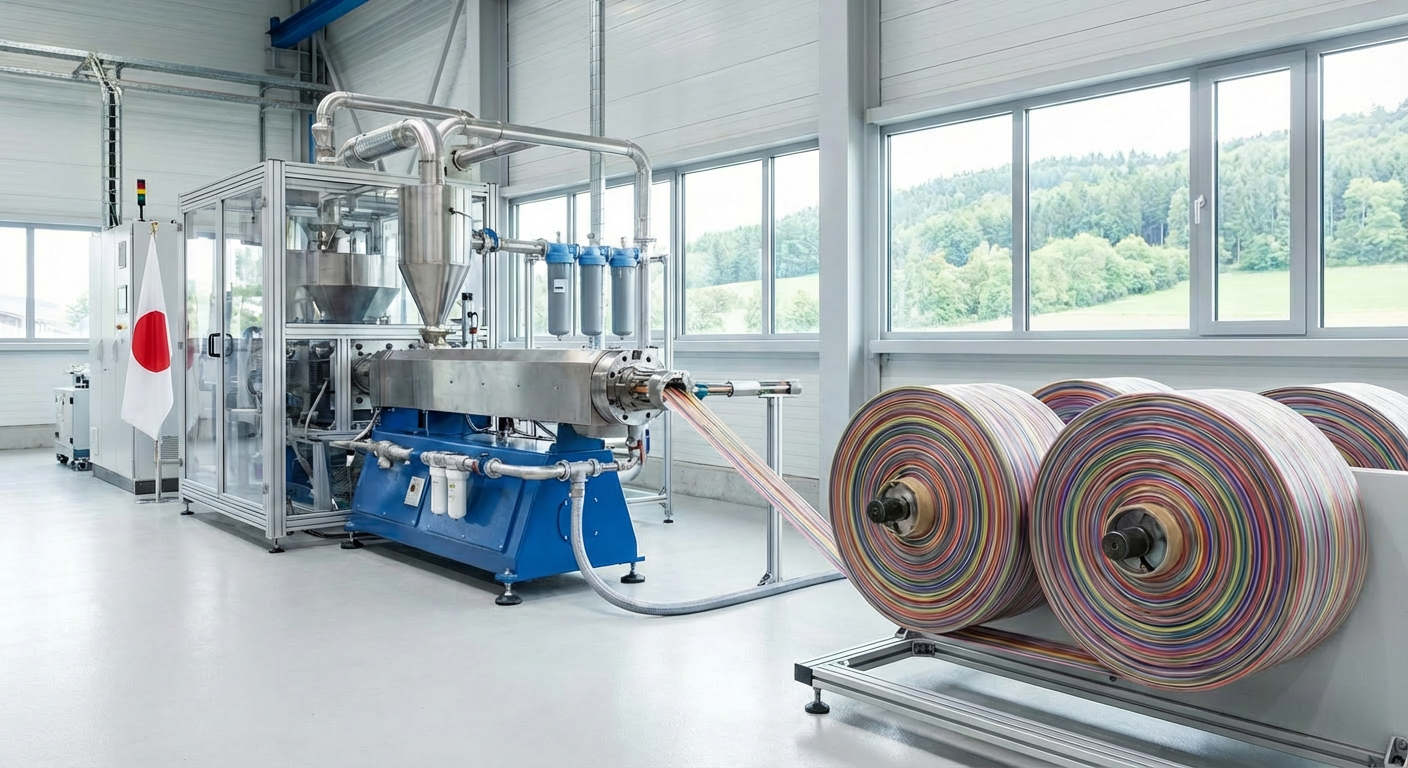
The biological process is eco-friendly and low-energy, involving the deconstruction of fabric waste through enzymatic breakdown and microbial fermentation. This method is suitable for cotton, rayon, and other cellulosic fibres, as well as blends and mixed materials, which are typically challenging to separate and recycle. The system operates in a centralized biotech facility, and the regenerated materials can be reintegrated into textile manufacturing for producing new garments or fabric components. It is compatible with existing spinning and weaving systems, allowing for seamless integration into current production lines.
Handling Surplus and Waste Products
This solution aligns with circular design principles by enabling the reprocessing of waste materials into new textile inputs. It supports biodegradable and compostable material sourcing and can be used to design closed-loop systems that reduce the need for new resource extraction. The biological approach also minimizes chemical usage and water consumption, making it a green alternative to traditional recycling and disposal methods.
Practical Applications and Case Sharing
Pilot projects have been conducted with textile manufacturers and fashion brands to test the commercial viability of the biological recycling method. In one project, used cotton and rayon garments were successfully processed into new fibres with minimal degradation, which were then used to create new apparel lines. These case studies demonstrate how biological recycling can be applied in real-world settings, especially for mixed-fibre waste streams that are otherwise non-recyclable.
Application Tips
Biological Method on Waste Recycling represents a novel and sustainable approach to textile waste management. It shows great potential for handling mixed-fibre and post-consumer waste, which are major challenges in the fashion industry. The technology is a promising candidate for future integration into circular textile systems, especially for brands aiming to reduce landfill waste and improve end-of-life sustainability of their products.
 Back to Case Study List
  Download Case Study