
Background
AlgaFila is a sustainable, biobased fiber derived from seaweed. This report explores the adoption of AlgaFila by Hong Kong-based designer Toki Wong of KowloonCityBoy. The objective is to provide SMEs with a practical case study on how AlgaFila can be integrated into fashion design and production, particularly in the selection of greener raw materials.


2021

Fashion Design

Small
Technology / Solution Overview
 Scope of improvement
 Selection of Raw Materials
 Implementation date
 2021 to Present
Description
AlgaFila is a regenerated fiber made from sustainably sourced seaweed, offering a biodegradable and low-impact alternative to conventional textiles like polyester and viscose. The fiber production process involves extracting cellulose from seaweed and spinning it into a soft, breathable, and moisture-wicking fabric. It is fully biodegradable under industrial composting conditions and requires significantly less water and energy than cotton or synthetic fibers. AlgaFila is also free from harmful chemicals and has a naturally smooth texture, making it suitable for a wide range of apparel and accessories. Its development aligns with the circular economy by reducing reliance on fossil-based materials and offering a closed-loop solution. For SMEs, AlgaFila represents a viable option for creating sustainable, high-performance products that meet both consumer and regulatory demands for greener materials.
Special Technical Assessment
Operation and Application Requirements
To incorporate AlgaFila into production, manufacturers need access to facilities that can handle regenerated cellulosic fibers, as the fiber is typically processed using standard textile machinery. However, specific attention must be given to fiber handling and spinning techniques to maintain its unique properties, such as softness and breathability. The fiber is supplied in filament or staple form, which can be blended with other natural fibers like organic cotton or hemp to enhance durability. SMEs must also consider the supply chain, as AlgaFila is currently produced in limited quantities and sourced from international suppliers. Designers and production teams may require training to understand the material’s characteristics and optimal usage in fabric construction and garment design. Additionally, end-of-use biodegradation conditions must be communicated to consumers to ensure proper disposal and maximise environmental benefits.Practical Applications and Case Sharing
Toki Wong, designer of KowloonCityBoy, has integrated AlgaFila into a collection of eco-friendly t-shirts and accessories, showcasing its potential in mainstream fashion design. During an interview with HKPC, Wong highlighted the fiber’s softness and comfort, which align with the brand’s focus on urban, functional, and sustainable wear. The case demonstrates how SMEs can successfully adopt biobased materials like AlgaFila into their product lines while maintaining design integrity and market appeal.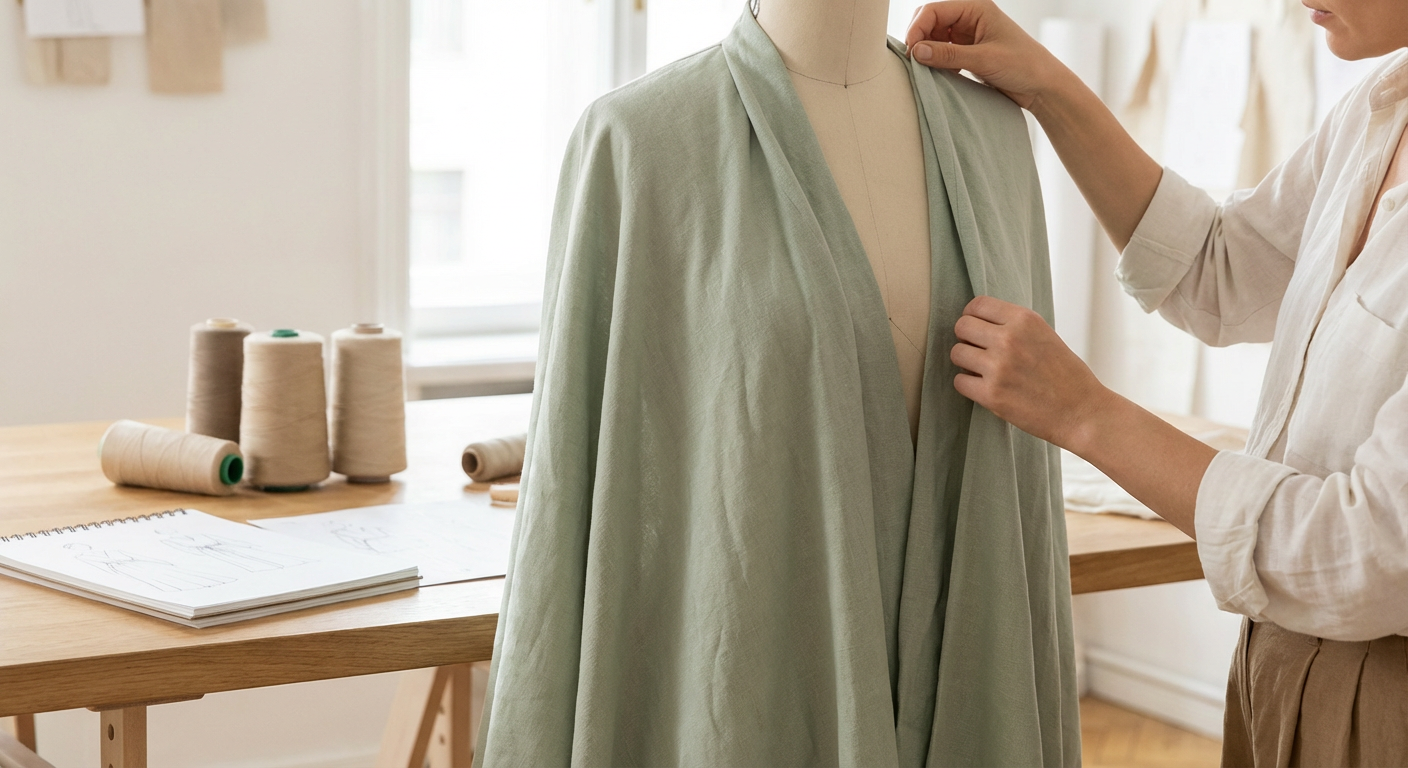
Key Performance Indicators
Environmental Benefits
Virtual sampling reduces fabric waste and physical sample production, cutting waste by up to 30%. It lowers carbon emissions by minimizing international shipping and reduces water use and pollution from dyeing and finishing processes, supporting sustainable fashion practices.
Economic Benefits
Digital design shortens development cycles and reduces material and labor costs. It improves design and communication efficiency through real-time collaboration. CLO also enables new business models in marketing, metaverse, and gaming, offering brands innovative revenue opportunities.
Social Benefits
Though less discussed, CLO promotes a sustainable industry image. Its global community and asset market empower individual creators and small businesses, offering them platforms to showcase and monetize their work, thus fostering inclusivity and innovation in fashion.
 Back to Case Study List
  Download Case Study