
Background
Cobalt Fashion, a Hong Kong-based enterprise, has adopted CLO Virtual Fashion, a 3D design and simulation software, as part of its commitment to sustainable innovation in fashion. Unlike traditional methods that require multiple physical samples and extensive travel, CLO Virtual Fashion enables real-time design collaboration and visualisation. The technology highlights the importance of digital transformation in reducing environmental footprints and adapting to fast-changing consumer trends.


2021

Retail Apparel and Fashion

Large
Technology / Solution Overview
 Scope of improvement
 Selection of Raw Materials
 Implementation date
 2021 to Present
Description
CLO Virtual Fashion is a 3D design and simulation software developed by CKI Virtual Fashion, used by designers and manufacturers to create digital garment prototypes. It allows for real-time design adjustments and virtual sampling, eliminating the need for physical samples in early stages. The software supports sustainable practices by significantly reducing fabric waste, energy use, and carbon emissions associated with traditional prototyping and sample production. It also facilitates remote collaboration, cutting down on travel-related emissions. CLO Virtual Fashion is used across the design-to-production workflow, from pattern-making and fabric simulation to grading and 3D visualisation. It is compatible with various fabric types and can be integrated into existing design and manufacturing systems. The technology is particularly relevant to the design and manufacturing pillar of the HKPC project, as it offers a digital-first approach to streamline processes and reduce environmental impact while maintaining design accuracy and creativity.
Special Technical Assessment
Operation and Application Requirements
To use CLO Virtual Fashion, fashion SMEs need a computer with the software installed and access to digital tools such as 3D scanners or high-resolution cameras for accurate body measurements. Designers must be trained in 3D design workflows, including pattern creation, fabric simulation, and virtual draping. The software integrates with CAD systems and supports file formats commonly used in the fashion industry. It is particularly useful for brands that prioritise speed-to-market and sustainability. While it does not replace all aspects of physical production, it significantly reduces the number of samples needed, lowering material and time costs. Factories and design teams must collaborate closely to ensure that digital simulations match real-world performance. The software is used by design, product development, and production teams, and its adoption requires an initial investment in training and digital infrastructure. However, the long-term benefits in resource efficiency and reduced lead times make it a valuable tool for fashion SMEs looking to innovate sustainably.Practical Applications and Case Sharing
Cobalt Fashion has successfully implemented CLO Virtual Fashion in its product development process to reduce physical sampling and improve design accuracy. The company reported that the software enabled them to create and test multiple design iterations without cutting fabric, significantly reducing material waste. During on-site visits and interviews, Cobalt Fashion’s design team shared how CLO Virtual Fashion allowed for seamless collaboration with their partner factory in Dongguan, China, through real-time design reviews and virtual fittings. This digital approach also reduced travel and sped up production timelines. The software has been particularly effective in their seasonal collections, where rapid design changes and trend responsiveness are crucial. By using CLO Virtual Fashion, Cobalt Fashion has demonstrated how SMEs can adopt digital tools to align with sustainability goals while maintaining design quality and market relevance. The case highlights the practicality and effectiveness of 3D virtual fashion in real-world production environments.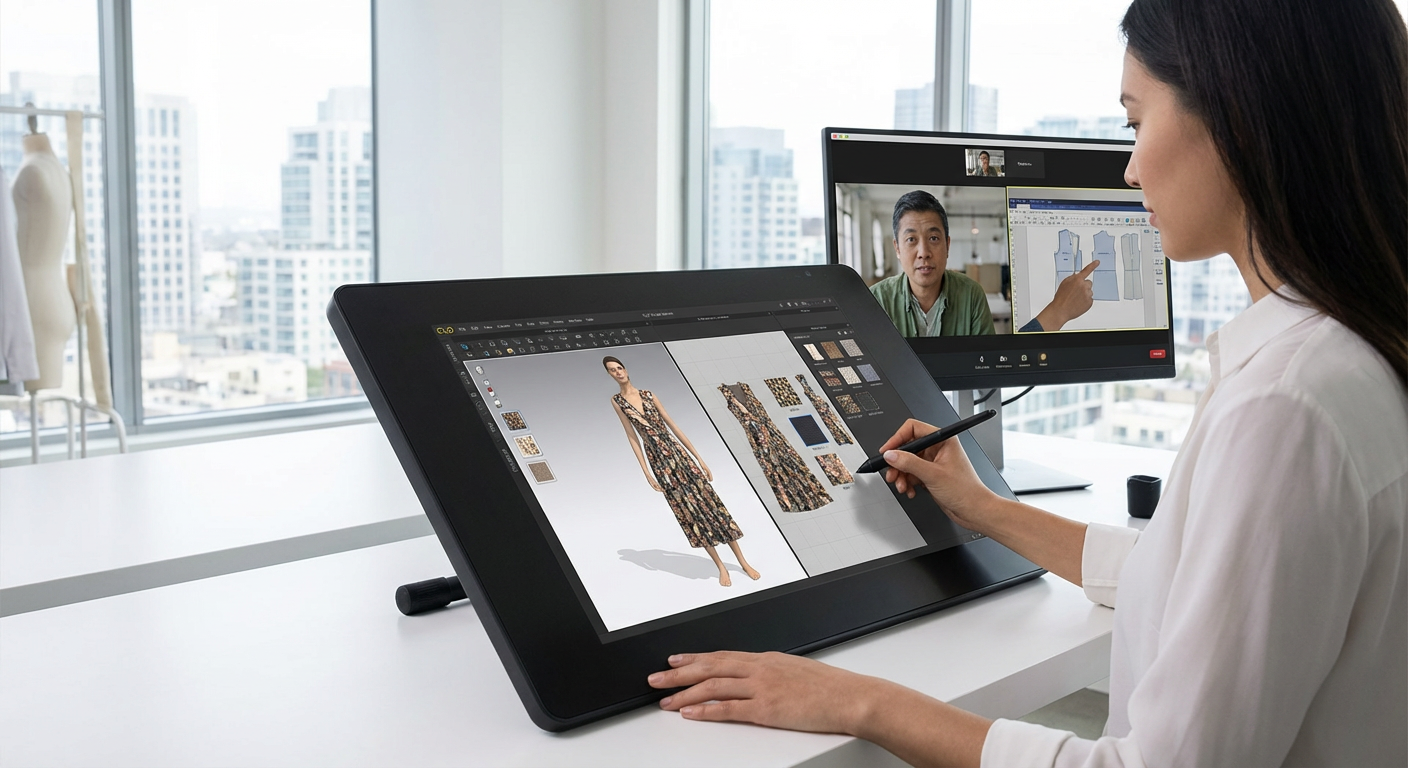
Key Performance Indicators
Environmental Benefits
Reduces water and energy use in production, eliminates reliance on fossil fuels, and offers full biodegradability, reducing textile waste and pollution.
Economic Benefits
Although expensive at scale, AlgaFila supports brand differentiation and can attract premium pricing due to its unique sustainability and performance features.
Social Benefits
Promotes awareness of marine-based sustainable materials and inspires consumers to choose eco-friendly fashion.
 Back to Case Study List
  Download Case Study