Background
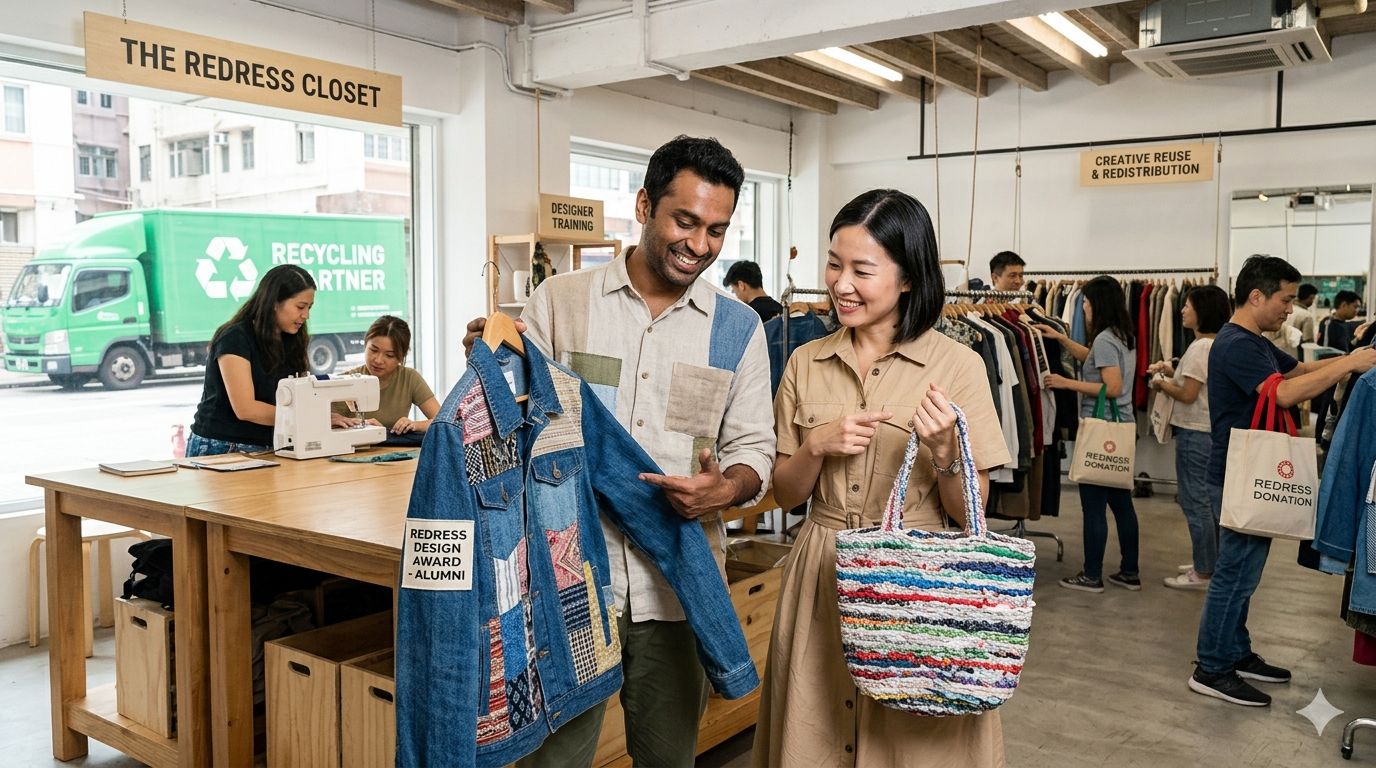
ReDress is a Hong Kong-based sustainability non-profit organization that has been at the forefront of advocating for circular fashion and sustainable practices in the textile industry. One of its notable initiatives is Shop Secondhand, a physical and digital platform that resells gently used clothing from the public and partners, including fashion brands and educational institutions. The initiative is part of ReDress’s broader mission to reduce textile waste, promote reuse, and foster consumer awareness about sustainable fashion consumption. This project aligns with the key improvement areas of handling surplus products and responsible raw material sourcing, as it diverts post-consumer garments from landfills, extends product lifecycles, and reduces the demand for new fabric production. It is particularly relevant to SMEs in the fashion and textile industry, as it offers a replicable model for surplus handling and circular business integration.

2007

Recycling

Small
Technology / Solution Overview
 Scope of improvement
 Handling Surplus Products
 Implementation date
 2007 to Present
Description
Shop Secondhand is a holistic solution for surplus product handling that combines consumer engagement, logistics, and retail operations in a circular framework. The core components of the system include:
- Collection and Sorting: Clothing is donated by individuals or sourced from partners, and then sorted, cleaned, and assessed for quality.
- Refurbishment and Rebranding: Items that are salvageable are repaired, reconditioned, and prepared for resale.
- Sales Channels: The resold garments are available in physical ReDress stores and online platforms, with clear communication about their second-life status.
- Consumer Education: Alongside the sales model, ReDress provides educational content to help consumers understand the environmental benefits of buying second-hand.
This initiative does not rely on a specific technology per se, but it uses a combination of sustainable business practices, logistics systems, and consumer engagement tools to promote circularity. It is particularly effective in tackling overconsumption and textile waste in a cost-efficient and scalable manner.
Special Technical Assessment
Operation and Application Requirements
The Shop Secondhand platform operates in a modular and adaptable format, making it suitable for adoption by SMEs and mid-sized fashion enterprises. Key operational elements include: • Collection Points: Strategically placed in public spaces, schools, and partner locations. • Sorting and Processing Centers: Staffed by trained personnel who evaluate, clean, and prepare items for resale. • Retail Integration: Items are displayed and sold in ReDress stores or online, with pricing based on condition and brand. • Partnerships: The initiative collaborates with fashion brands, educational institutions, and NGOs to source high-quality surplus garments. The system is designed to be flexible, with minimal technological dependency, and can be scaled according to the size of the enterprise or region. It is particularly well-suited for fashion SMEs looking to implement circular models without significant investment in new technologies.Practical Applications and Case Sharing
ReDress has successfully implemented the Shop Secondhand initiative in Hong Kong, with plans to expand to other Asian markets. In one case study, the organization collected over 100,000 garments in a single year, of which more than 60% were refurbished and resold. This not only diverted significant textile waste from landfills, but also generated revenue to support ReDress’s educational programs and sustainability advocacy. In collaboration with a local university, ReDress launched a student donation drive, where discarded clothing was collected, processed, and sold in their flagship store. The initiative reduced textile waste by 8 tons and raised awareness among students about the environmental and economic benefits of circular fashion. Another case study involved a partnership with a small Hong Kong-based fashion brand, which donated end-of-season stock to ReDress. The brand reported a 35% cost saving from not disposing of unsold inventory, and ReDress was able to resell 90% of the donated items, demonstrating the viability of surplus handling through reuse.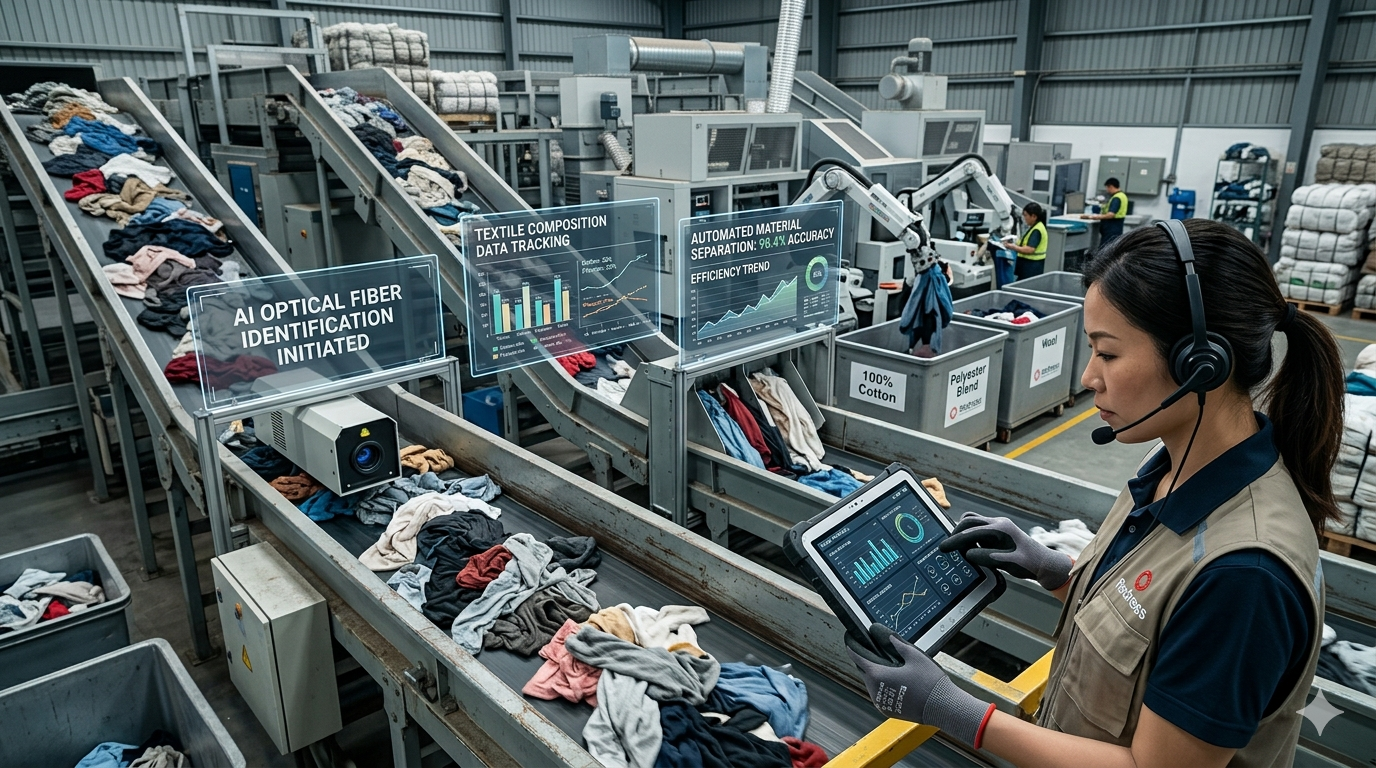
Key Performance Indicators
Economic Benefits
- Revenue generated from second-hand sales supports programme sustainability
- Cost savings for charities through sorted and pre-steamed donations
Social Benefits
- Clothing donated to 18+ local charities supporting underserved communities
- Educational outreach to 4,000+ students and 3,600+ talk participants
- Promotes community engagement and sustainable behaviour change
 Back to Case Study List
  Download Case Study