Overview
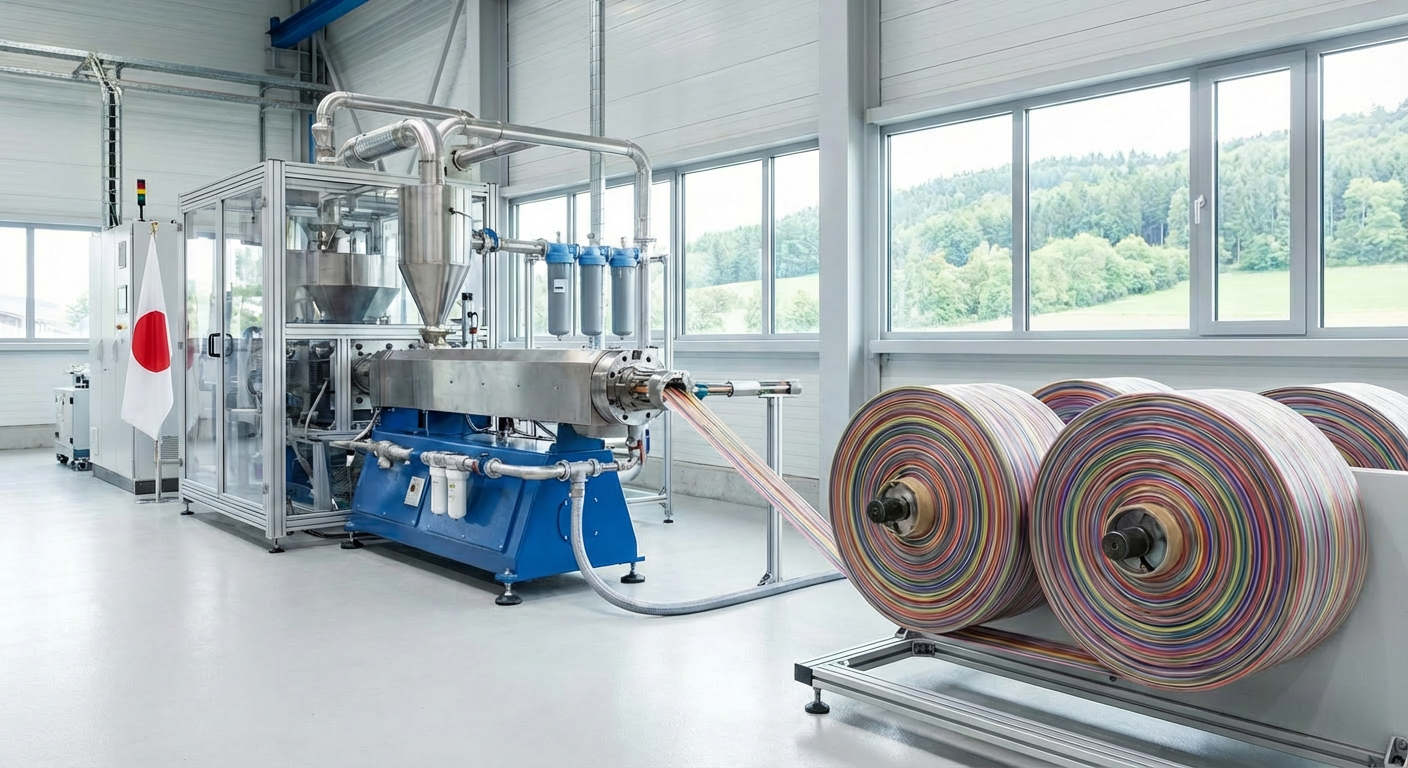
MonoFilo is a Japanese company specializing in the production of polyester dope-dyed yarn, a technology where color is integrated at the fiber-spinning stage rather than through traditional post-production dyeing methods. This sustainable material alternative is a strategic choice for the textile industry, focusing on greener raw materials and energy-efficient manufacturing. Dope-dyed polyester significantly reduces water and energy consumption, completely eliminates the need for traditional chemical dye baths, and minimizes both waste and pollution throughout the dyeing lifecycle.

Significant reduction in water and energy use, elimination of chemical dyeing, colourfast and durable, supports closed-loop production.

Currently limited to polyester-based materials, may require changes in supply chain sourcing.

Consumer perception of synthetic materials, higher initial costs compared to conventional polyester, and limited availability in some
Technology / Solution Details
 Scope of improvement
Design and Manufacturing
Operation and Application Requirement
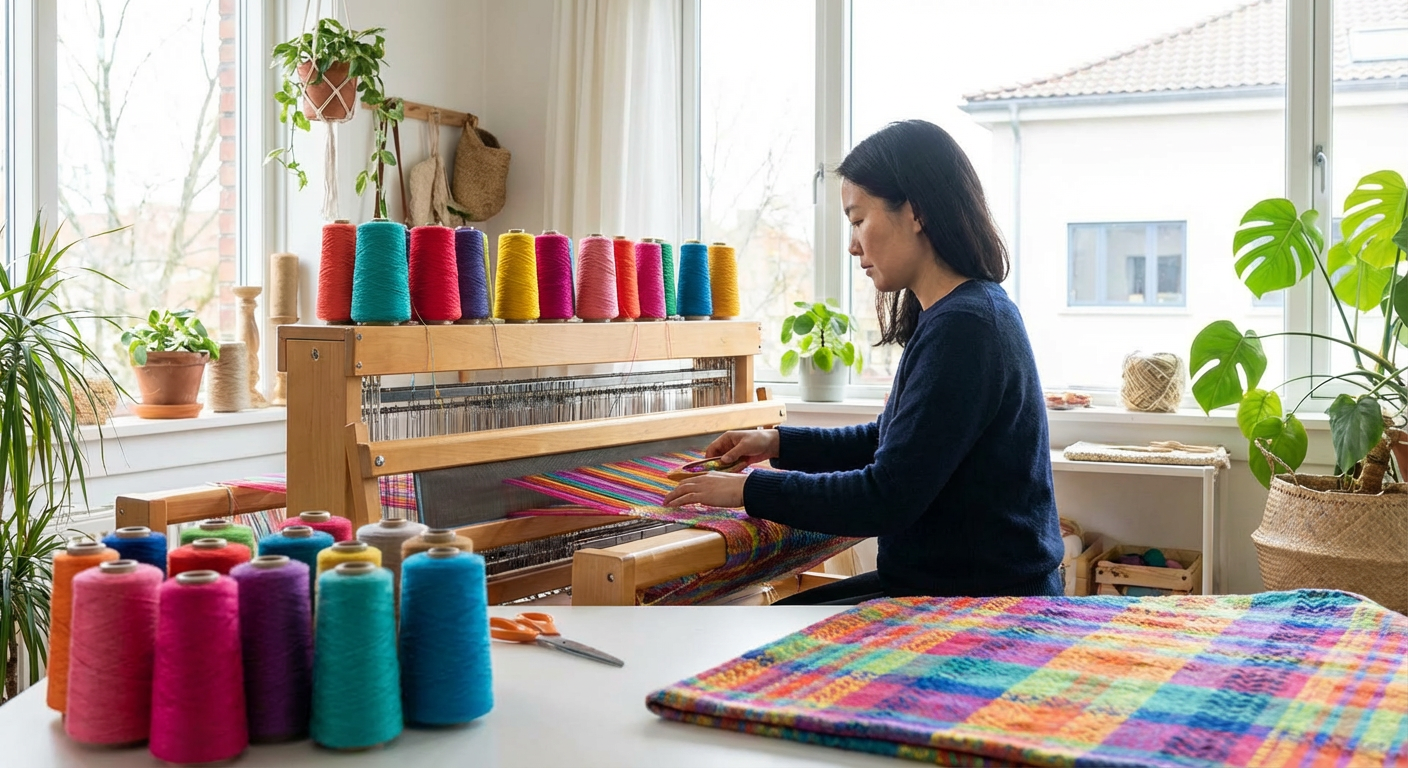
The technology utilizes a continuous melt-spinning and dyeing process, where pigments are incorporated into the polymer melt prior to fiber extrusion. This integrated method ensures consistent coloration throughout the entire fiber structure, effectively eliminating color fading and the secondary need for repeated dyeing. The resulting yarn is exceptionally versatile, catering to a broad spectrum of textile applications—from apparel and home textiles to high-performance industrial fabrics. Furthermore, it is fully compatible with standard weaving and knitting machinery, allowing manufacturers to integrate this sustainable material into their current production systems without significant equipment modification.
Energy-Efficient and Innovative Design
In comparison to traditional dyeing—one of the most water- and energy-intensive stages of textile production—dope-dyed polyester reduces water consumption by up to 90% and energy usage by over 60%. By eliminating post-dyeing treatments, it drastically cuts chemical reliance and wastewater generation, marking it as a major breakthrough in sustainable material sourcing. Furthermore, the mono-filament structure of the yarn enhances the overall efficiency of fabric processing, leading to significant reductions in both labor and energy costs throughout the manufacturing cycle.
Practical Applications and Case Sharing
The technology has been widely adopted by sustainable fashion and textile brands dedicated to reducing their environmental footprint. In one notable case study, a global activewear brand integrated dope-dyed polyester into its collection, leading to a dramatic reduction in water and chemical consumption during the manufacturing phase. The resulting fabrics maintained vibrant color and exceptional durability even after rigorous washing, directly supporting the brand’s commitment to circular and low-impact textile solutions. Beyond performance apparel, the technology has also been successfully applied to interior textiles and workwear, demonstrating its broad commercial applicability and reliability.
Application Tips
The dope-dyed polyester yarn is a promising sustainable solution for the textile and fashion industry, especially for brands seeking eco-friendly alternatives to traditional dyeing. Its environmental performance and compatibility with existing processes make it a valuable tool in the shift toward greener raw material selection and resource-efficient textile production.
 Back to Case Study List
  Download Case Study