Overview
Colorifix is a UK-based biotechnology company that utilizes genetically engineered microbes to produce natural dyes and apply them to textiles through a sustainable, water-free, and chemical-free process. This pioneering biofabrication technology is classified under both sustainable material alternatives and innovative manufacturing techniques. It specifically addresses the critical industry needs for responsible raw material sourcing and highly energy-efficient production processes, offering a radical departure from traditional, resource-heavy dyeing methods.

Water and energy-efficient, non-toxic and sustainable dyes, compatible with multiple fabric types, supports circular and regenerative practices.

Currently limited to smaller-scale production, higher initial costs for setup and adoption.

Scalability for mass-market brands, regulatory acceptance of bio-based dyes, and consumer awareness of biological textile processes.
Technology / Solution Details
 Scope of improvement
Design and Manufacturing
Operation and Application Requirement
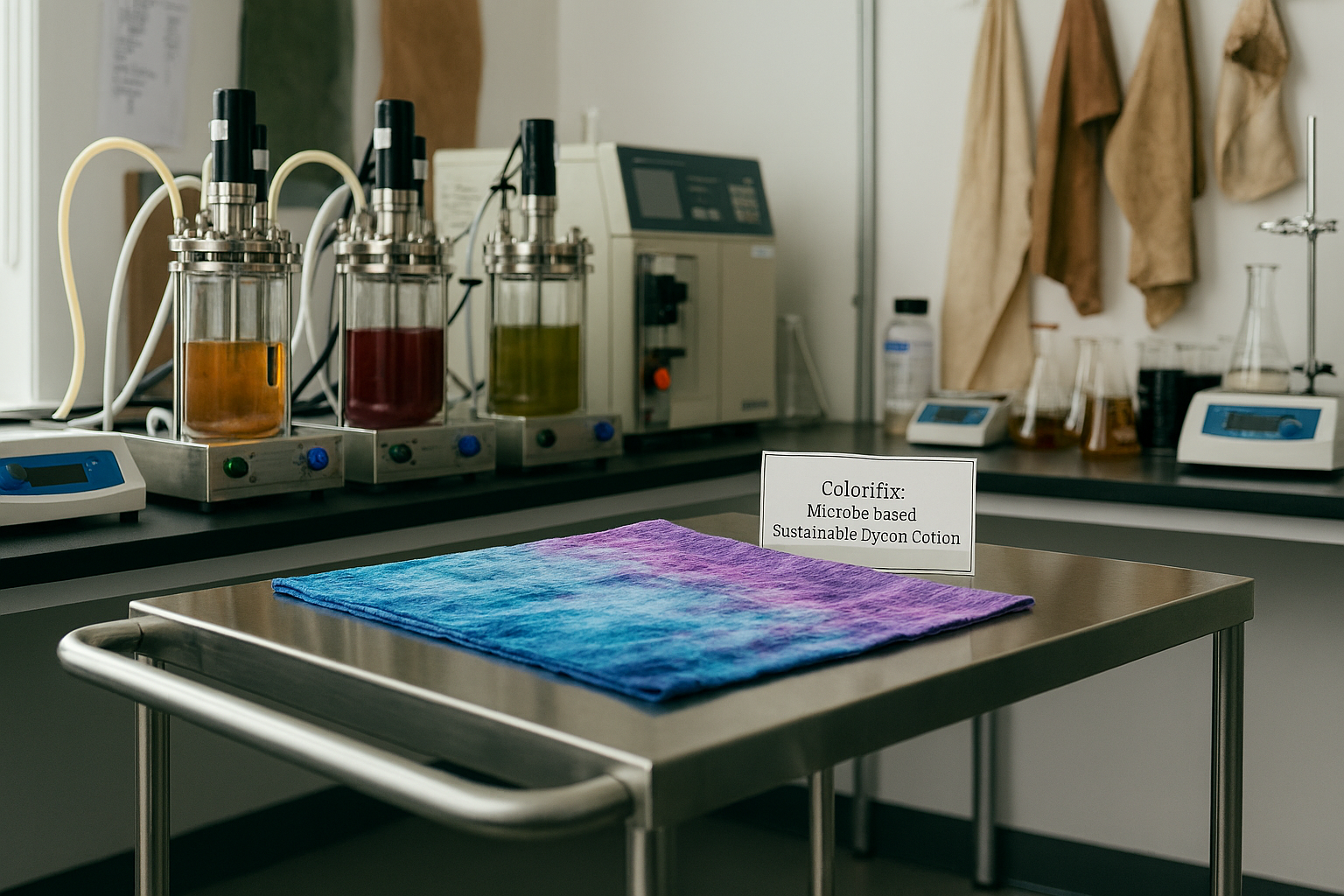
The technology utilizes fermentation-based dye production, where microbes generate pigments within a closed-loop system. These dyes are applied directly to fabrics using low-energy methods, effectively eliminating the need for high-temperature dye baths and toxic chemicals. The process is highly versatile, compatible with a variety of natural and synthetic fibers, including cotton, wool, and polyester, making it suitable for both boutique small-scale and large-scale industrial textile production. Implementation involves a controlled bioreactor setup designed to integrate with standard dyeing infrastructure, requiring only minimal water and energy input.
Sustainable Material and Manufacturing Innovation
By replacing traditional dyeing methods, Colorifix significantly reduces water consumption, energy use, and toxic chemical discharge—the three primary environmental burdens of textile manufacturing. The microbial dyeing process is remarkably carbon-negative, capturing more carbon than it emits. Furthermore, the resulting dyes are non-toxic and colorfast, offering a high-performance solution for eco-conscious brands. By eliminating hazardous byproducts and ensuring cleaner end-of-life processes for garments, this technology serves as a critical pillar for the circular economy.
Practical Applications and Case Sharing
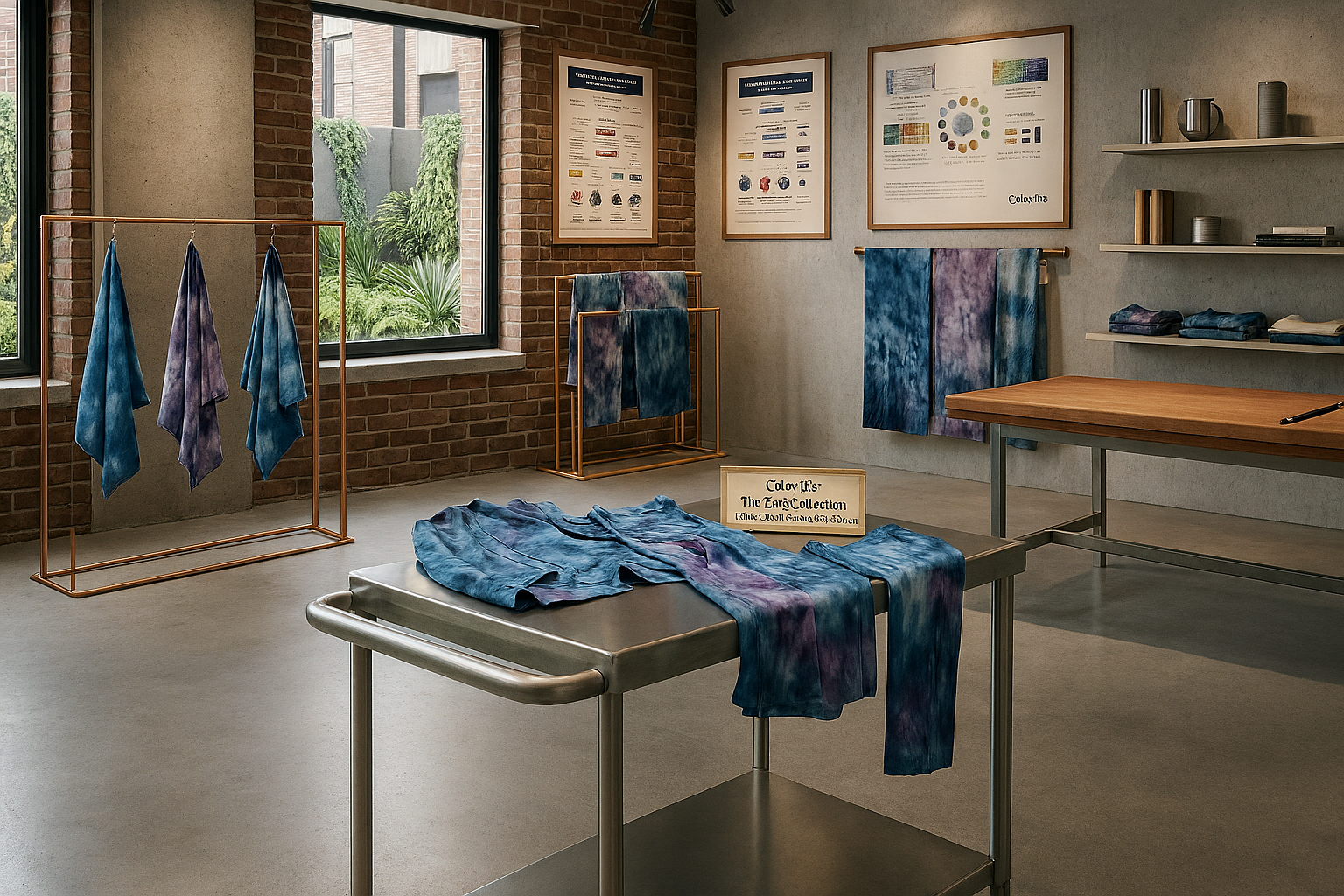
Colorifix has established strategic partnerships with prominent sustainable fashion pioneers, such as Pangaia and Dyeing Matter, to bring biologically dyed fabrics to the mainstream market. A compelling case study involves a small sustainable apparel brand that launched a collection using Colorifix-dyed cotton, achieving a 90% reduction in water usage and 60% lower carbon emissions compared to traditional methods. The technology’s adoption across diverse sectors—from luxury high-end fashion to high-performance activewear—solidifies its reputation for versatility and scalability within the global textile industry.
Application Tips
Colorifix is a promising sustainable solution that reimagines the dyeing process in the textile industry. Its biological approach significantly reduces environmental impact, offering a cleaner, more efficient alternative to conventional dyeing methods. The real-world adoption by sustainable fashion pioneers shows its potential to become a mainstream technology in the transition toward green manufacturing.
 Back to Case Study List
  Download Case Study