Background
Dakota, a well-established Hong Kong-based textile and garment manufacturer, is actively contributing to the sustainability technology project by adopting eco-conscious production methods. Dakota’s sustainable manufacturing practices are being assessed for their environmental performance, operational efficiency, and relevance to key sustainability areas such as design and manufacturing, and raw material selection. Dakota’s efforts align with the project’s goal of promoting scalable green solutions that support the fashion industry’s sustainability transition.

2020 or before

Textile Manufacturing

Large
Technology / Solution Overview
 Scope of improvement
 Design and Manufacturing
 Implementation date
 2020 or before to Present
Description
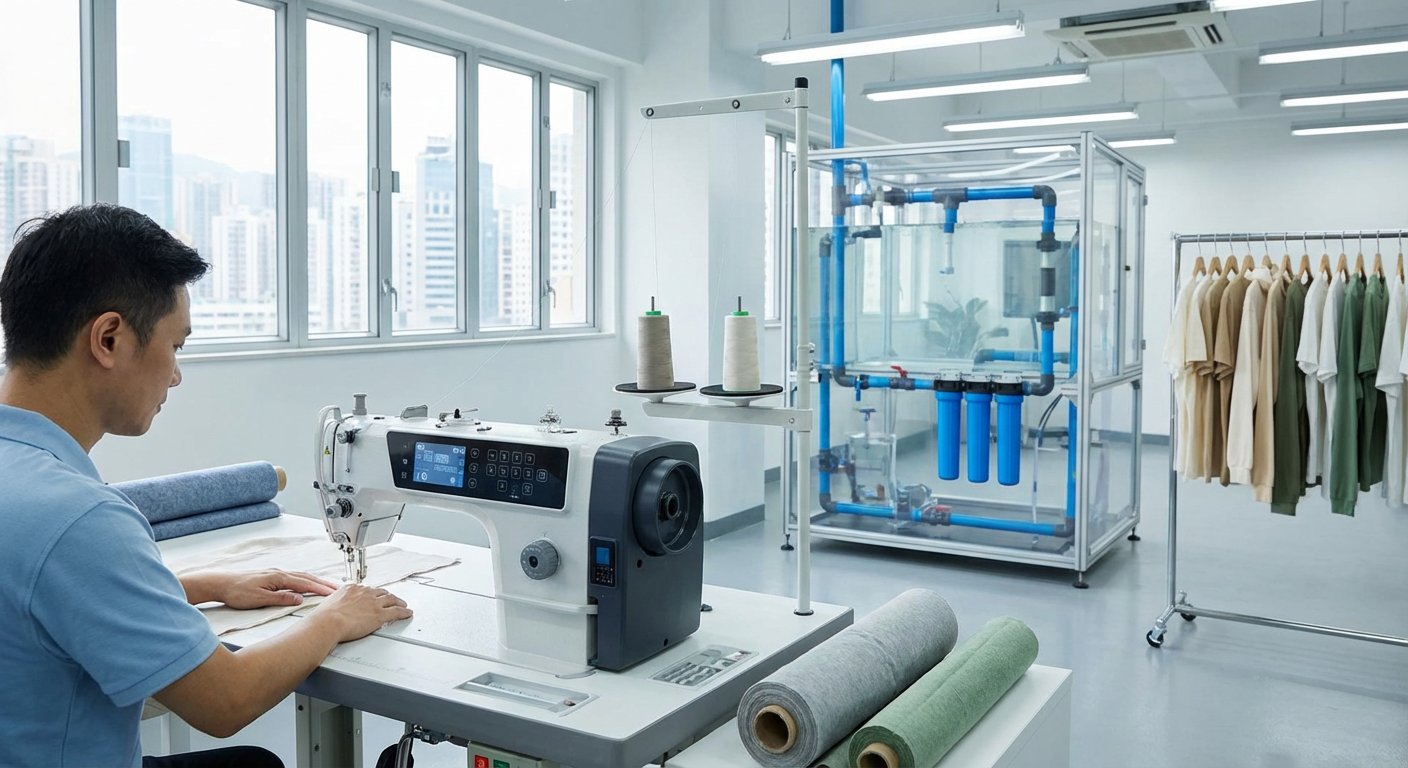
Dakota integrates sustainable manufacturing technologies to reduce the environmental impact of garment production. The company employs energy-efficient sewing and cutting machines, automated systems to enhance process accuracy, and closed-loop water and chemical management systems in its textile dyeing and finishing operations. These technologies collectively support resource conservation, waste minimisation, and carbon footprint reduction. Additionally, Dakota has adopted smart inventory systems and lean production techniques to reduce overproduction and surplus materials. The company is also exploring the use of eco-friendly raw materials, such as organic cotton, recycled polyester, and low-impact dyes, to further align with circular economy principles. Dakota’s sustainable approach is not limited to end-of-pipe solutions; it includes design-level optimisation, process re-engineering, and supplier collaboration, making it a comprehensive model for green manufacturing in the textile sector.
Special Technical Assessment
Operation and Application Requirements
Implementing Dakota’s sustainable manufacturing practices requires modern machinery upgrades, staff training, and integration of digital tools for inventory and process management. The company uses automated cutting systems and energy-efficient sewing machines that require skilled operators and technical maintenance support. In dyeing and finishing, closed-loop water systems and chemical recovery units need precise calibration and ongoing monitoring to ensure efficiency and compliance with environmental standards. For eco-material adoption, Dakota works closely with certified suppliers to source organic and recycled fibers, which involve material testing, quality assurance protocols, and adjustments to production techniques to maintain performance and aesthetics. The company also requires cross-department coordination—between design, production, and logistics—to ensure sustainable practices are maintained throughout the supply chain. These requirements highlight the need for technical investment, training, and strategic supplier engagement for successful implementation.Practical Applications and Case Sharing
Dakota has successfully applied its sustainable manufacturing technologies in production for global and local fashion brands. In one case, the company partnered with a European sustainable fashion brand to produce a circular clothing line using recycled polyester and organic cotton, showcasing how eco-materials can be seamlessly integrated into high-quality garment production. Another example involves the use of automated cutting and sewing systems to reduce fabric waste and energy use, improving production efficiency and cost control. Dakota demonstrated how closed-loop water systems help reduce chemical discharge and how lean manufacturing techniques support just-in-time production to minimise surplus stock. The case also underscores the importance of supplier collaboration and technology adaptation in sustainable production models.
Key Performance Indicators
Environmental Benefits
Reduces water and energy use, chemical waste, and carbon emissions, supporting circular production and environmental protection.
Economic Benefits
Cost savings through waste reduction, energy efficiency, and long-term resource optimisation, improving profitability and competitiveness in the sustainable fashion market.
Social Benefits
Promotes ethical production awareness, supports local and global sustainability goals, and enhances brand credibility, encouraging responsible consumer behavior.
 Back to Case Study List
  Download Case Study