Overview
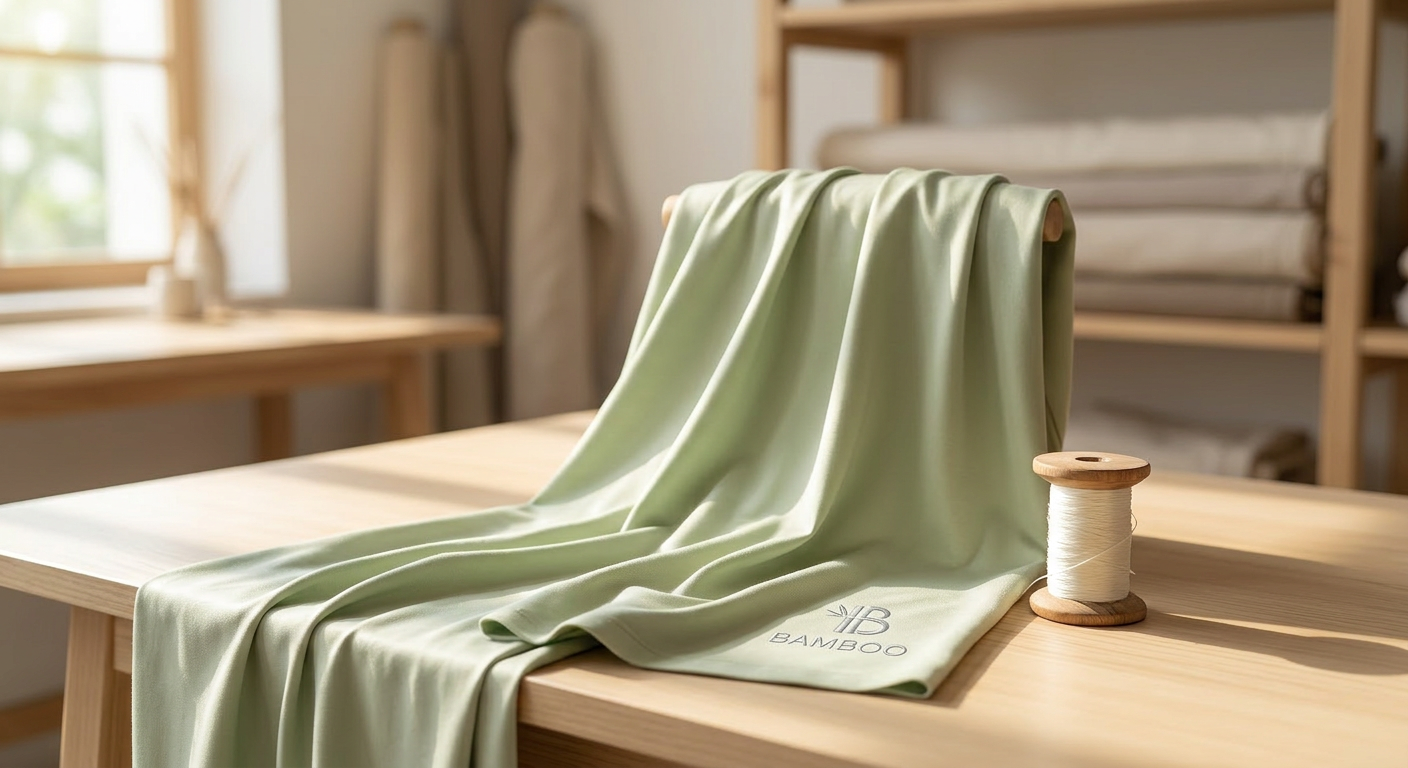
Bamboo fibre is a sustainable textile material derived from bamboo pulp through a chemical process. It results in a soft, breathable, and biodegradable fabric, offering a green alternative for the fashion and textile industry to reduce environmental impact.

Softness, breathability, antibacterial properties, biodegradability, and lower resource use.

An energy-intensive production process that may involve chemicals if unmanaged.

Ensuring sustainability across the supply chain and improving consumer awareness through clear labelling.
Technology / Solution Details
 Scope of improvement
Selection of Raw Materials
Operation and Application Requirement
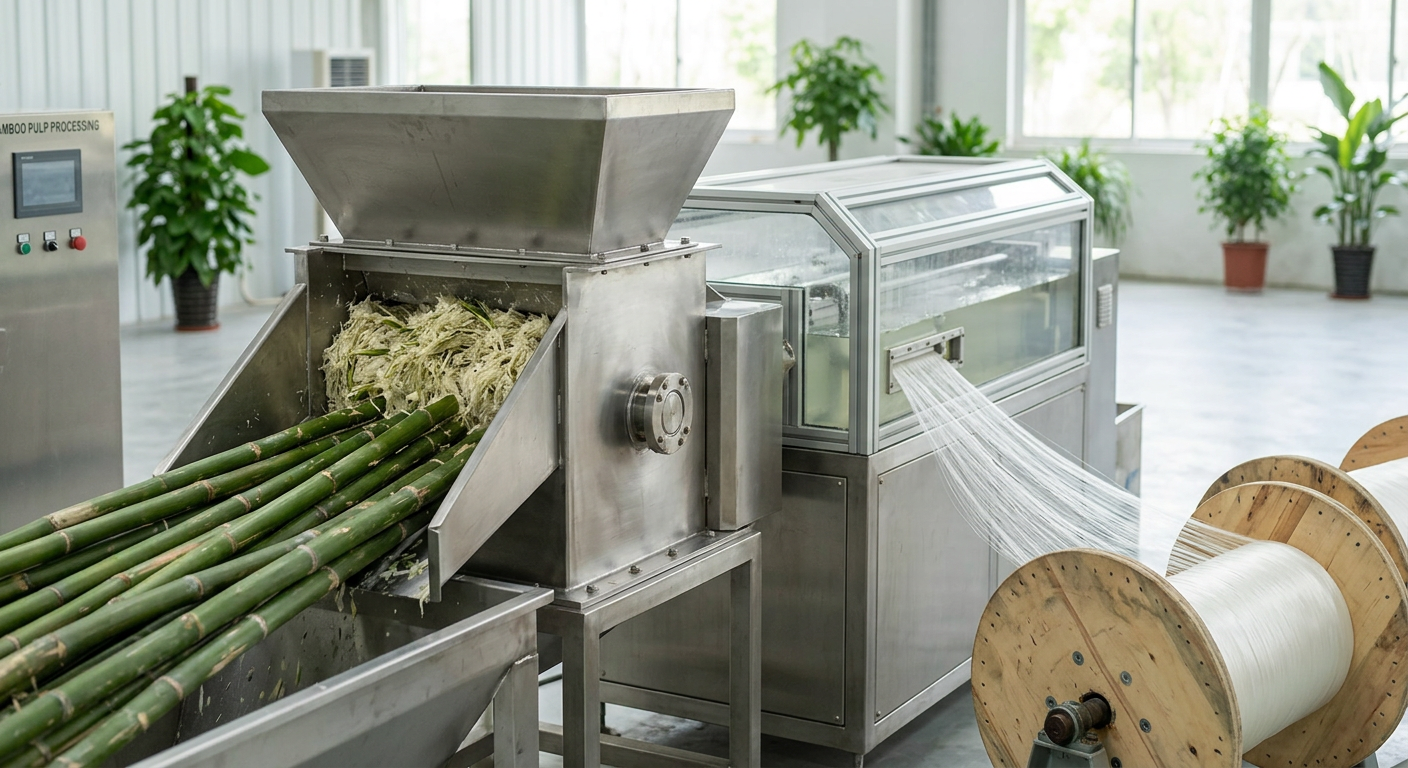
Production involves harvesting bamboo and processing it into pulp using eco-friendly methods before spinning it into fibre. The material is suitable for clothing, home textiles, and personal care products due to its softness, antibacterial traits, and moisture-wicking ability.
Sustainable Material Alternative
As a sustainable alternative to synthetic fibres and conventional cotton, bamboo is fast-growing, requires minimal water, and needs no pesticides. The fibre is biodegradable and has a lower carbon footprint than many traditional materials.
Practical Applications and Case Sharing
Fashion brands increasingly use bamboo fibre in eco-friendly clothing lines, such as activewear and bedding, to improve sustainability credentials and align with global environmental goals. This adoption often enhances brand image and customer satisfaction.
Application Tips
In summary, bamboo fibre presents a viable sustainable solution but requires careful management of production and a transparent supply chain for successful industry adoption.
 Back to Case Study List
  Download Case Study